
There are three questions worth asking for every project, every team, every decision.
Every building we design is built to serve someone. The question most of us forget to ask is whether that person will ever feel it.
Not whether the program was met. Not whether the budget was honored. Not whether the drawings were accurate or the construction was on schedule. Whether the person who walks through that door, for the first time or the thousandth time, feels like this place was made for them.
That is the question I have been carrying for a long time. It started in the early 1990s when I was running clubs, and I found myself telling my team something I have never stopped saying. “We are not in the club business. We are in the business of making our members feel good, and we use the club as a tool.”
The words were about clubs. The idea was never that narrow. Because the building is never the product. The feeling is. And that is as true in a veteran’s hospital as it is in a private clubhouse. It is true in a university fieldhouse as it is in a municipal golf course. It is true in a senior center as it is in a civic gathering space. Every project SGA touches has a person at the end of it who, the moment they arrive, deserves to feel that this place was designed with them in mind.
Gregg Patterson, one of the most thoughtful voices in hospitality leadership I have encountered in forty years, has argued that the best projects succeed not because they deliver what was promised, but because the people behind them understand they are designing community. I had arrived at a version of the same idea. The building, the programs, the services, the culture of the team, all of it is the tool. The feeling of community is the product.
That conviction led me to three questions I keep coming back to, not just at the design table, but in every room where decisions get made.
Who are we doing this for?
How do we want them to feel?
Why does it matter?
In forty years on both sides of this table, first as an operator living with the consequences of design decisions long after the ribbon was cut, now helping organizations think through programming before the drawing starts, I have watched those questions go unasked more often than I would like to admit.
Earlier this month, the team at Stone Group Architects spent two days together wrestling with three ideas that bear directly on why that happens, and what we can do about it. I have not been able to stop thinking about what came out of those two days.
The feeling starts on the inside.
The first idea came from a short video on customer service and empathy — Simon Sinek making the point that there is a meaningful difference between meeting someone’s demands and making them feel valued. An organization can deliver exactly what someone asked for and still miss the feeling entirely. A patient was discharged efficiently. A student processed through orientation. A veteran navigated through a system. A member handed exactly what they requested. All of it was done correctly. None of it was done in a way that made the person feel like they mattered.
That gap, between what was delivered and how it felt, almost always traces back to whether the team delivering feels valued. You cannot give what you have not received. Which means the first question, who are we doing this for, has to include the person holding the door, not just the person walking through it. If the people serving others do not feel like this place was made for them, too, the people they serve will feel it every time.
The experience any organization delivers outward is shaped by the culture it practices inward. That is not a management concept. It is a design obligation. If we cannot answer the first question as honestly for the team as we can for the end user, we are not designing a community. We are designing square footage.
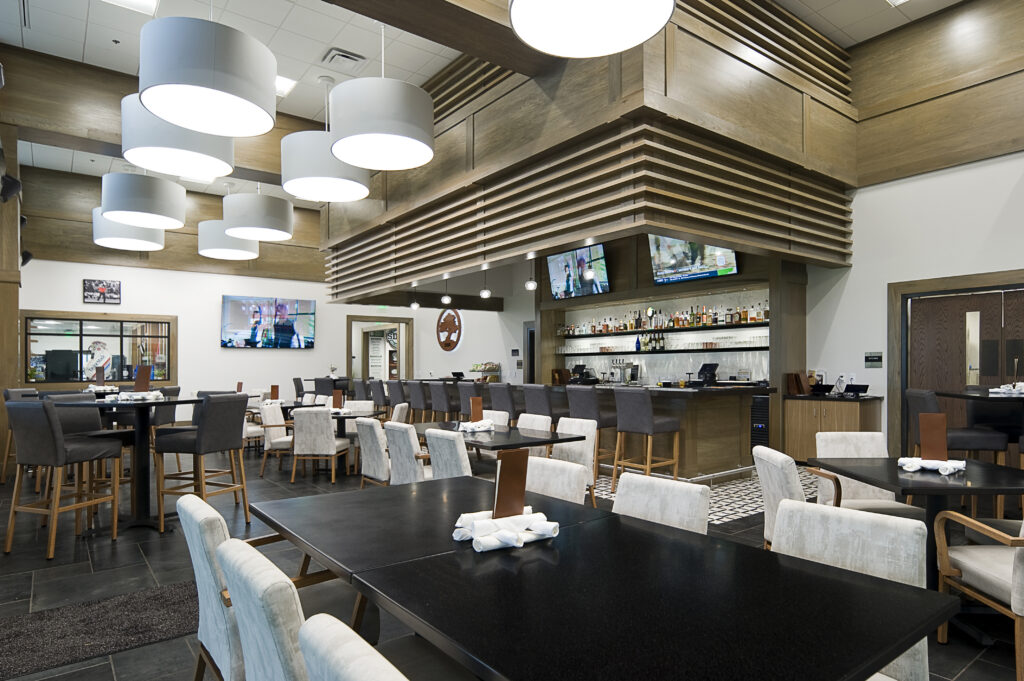
Make the end user visible.
The second idea followed naturally. David Burkus writes that people are inspired when they can genuinely see the end user of their work, when the person they are doing it for stops being abstract and becomes real. In almost every design conversation I have been part of, that person is invisible. The committee is there. The budget is there. The professionals are there. But the veteran sitting in that waiting room, the student training in that facility, the senior gathering with friends in that common space, the family arriving at a municipal course on a Saturday morning, they are nowhere in the room.
How do we want them to feel forces the conversation to picture a person, not a program. It moves the room from what we are building to why it matters that we build it well. And it tends to surface what no square-footage calculation ever would: the arrival sequence that tells a first-time visitor they are welcome here, the adjacency that makes daily use feel effortless, the detail that tells someone this space was designed with them in mind.
Those things are decided early. Often, before most people at the table realize the window is still open. Making the end user visible, real, specific, and human is what keeps those decisions honest.
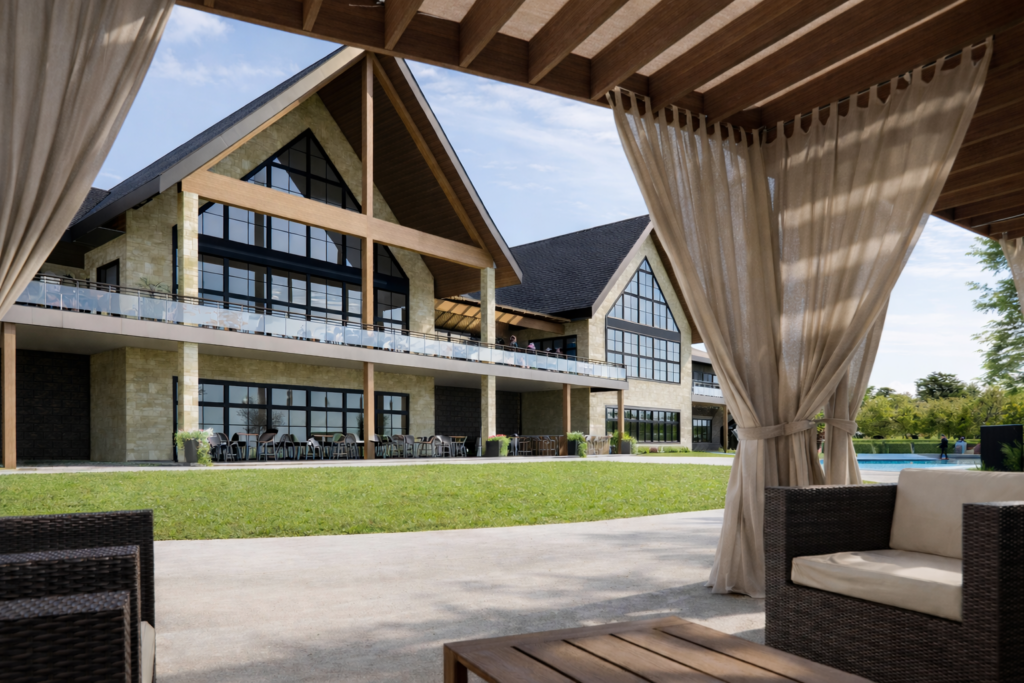
Own it all the way to the end user.
The third idea is the one that holds everything together. Jocko Willink’s writing on extreme ownership makes the case that accountability does not stop at the edge of your deliverable. It runs all the way to the outcome. I find that standard worth sitting with across the full chain of professionals who touch any capital project, the programmer, the architect, the interior designer, the contractor, the consultant, and the organizational leadership at the head of the table.
What if each of us thought of our accountability as running all the way to the person finding their way through that space for the first time? To the employee who clocks in before sunrise? To the visitor, forming their entire impression in the first sixty seconds? That standard would change some conversations. And it starts with leadership, because the tone of accountability in any organization is set at the top, long before the design team assembles.
That is what the third question is really asking. Why does it matter is not a philosophical exercise. It is what holds the line when the scope gets compressed, the budget gets tight, and the decisions get hard. And they always do. It is the question that keeps the commitment from becoming a casualty of the process.
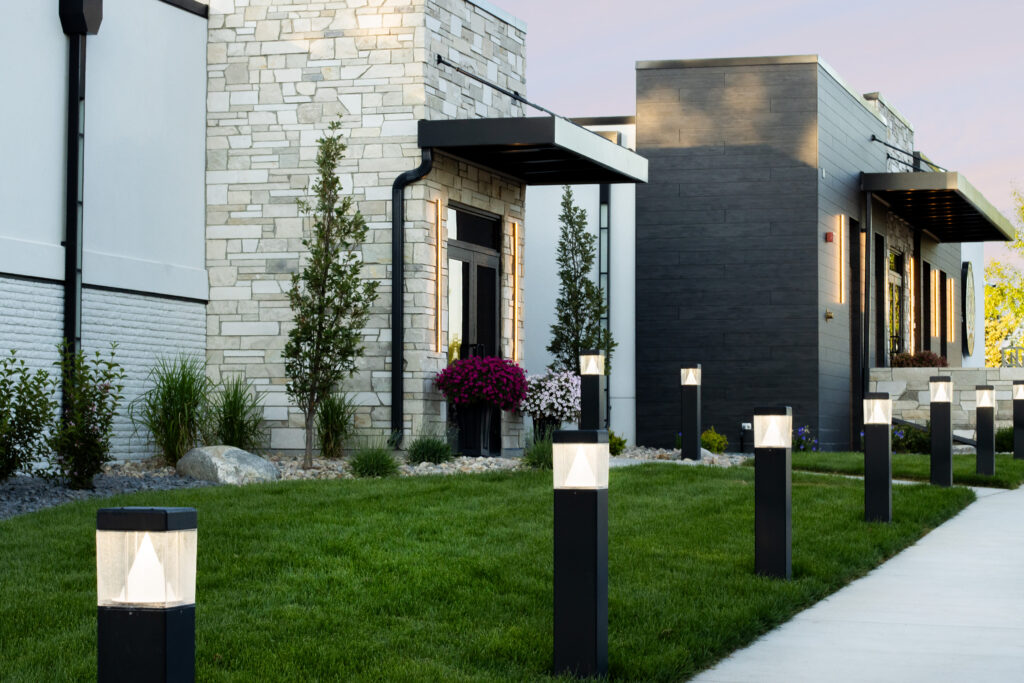
Design everything.
I want to be clear about something. These are not design questions. They never were. They are cultural questions. Culture is not something you install after the building is finished. It is designed intentionally and consistently from the inside out, or it is missed, just like community.
The organizations that get it right, the ones that become genuine gathering places, that earn loyalty across generations, that make people feel they belong to something worth belonging to, did not get there by accident. They designed everything with intention. The physical environment, yes. But also, the team culture, the experience of every person who walks through the door, and the sense that this place was genuinely made for the people in it.
And the firms that helped them get there were doing something more than delivering a building. They were asking the right questions early enough for the answers to still matter, and owning the outcome all the way to the end user.
At Stone Group Architects, we work across a wide range of project types, including private clubs, veterans’ facilities, municipal amenities, university buildings, and civic spaces. The buildings are different. The questions are always the same. We believe that a firm that asks these questions about its own work and culture is better prepared to ask them on behalf of every client it serves. The inside and the outside are connected. The quality of thinking a team brings to a design conversation is shaped by the quality of thinking that happens inside the firm long before the client walks in.
That is what those two days in April meant for us. Not theory. A standard we are holding ourselves to.
Gregg Patterson calls it designing community. I call it using the building as the tool and the feeling as the product. The words are different. The conviction is the same.
And it starts, every time, in every room, for every project, with three simple questions that are honest enough to change the outcome.
Who are we doing this for?
How do we want them to feel?
Why does it matter?
That is what I have always thought of as Return on Experience. Not a metric to report to a board. A commitment to make before the program is written and a standard to hold all the way to the end.
That is the conversation I am always hoping to be part of — before the drawing starts, while there is still time for the answers to matter.
Lawrence J. “Skip” Avery, CCM, CCE, CMAA Fellow, is Director of Club Development at Stone Group Architects, bringing more than forty years of leadership, strategic consulting, and operational experience to every engagement. [email protected] | 608-335-0342 | stonegrouparchitects.com
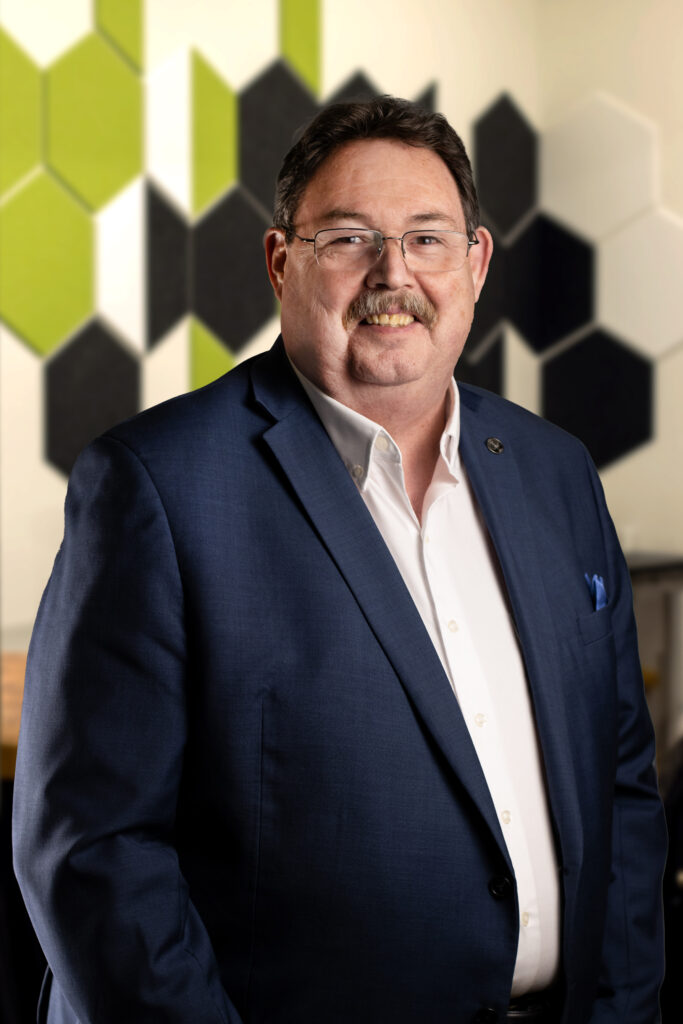
Lawrence J “Skip” Avery CCM, CCE, CMAA Fellow
“Make it a great day.”
Director of Club Development
Stone Group Architects
608-335-0342
[email protected]